
wellbeing · ByteSeguro Global
Why Do You Wake Up Tired After a Full Night's Sleep?
The hours on the clock are only part of the story. Here's how to tell a slow start from a pattern worth investigating.
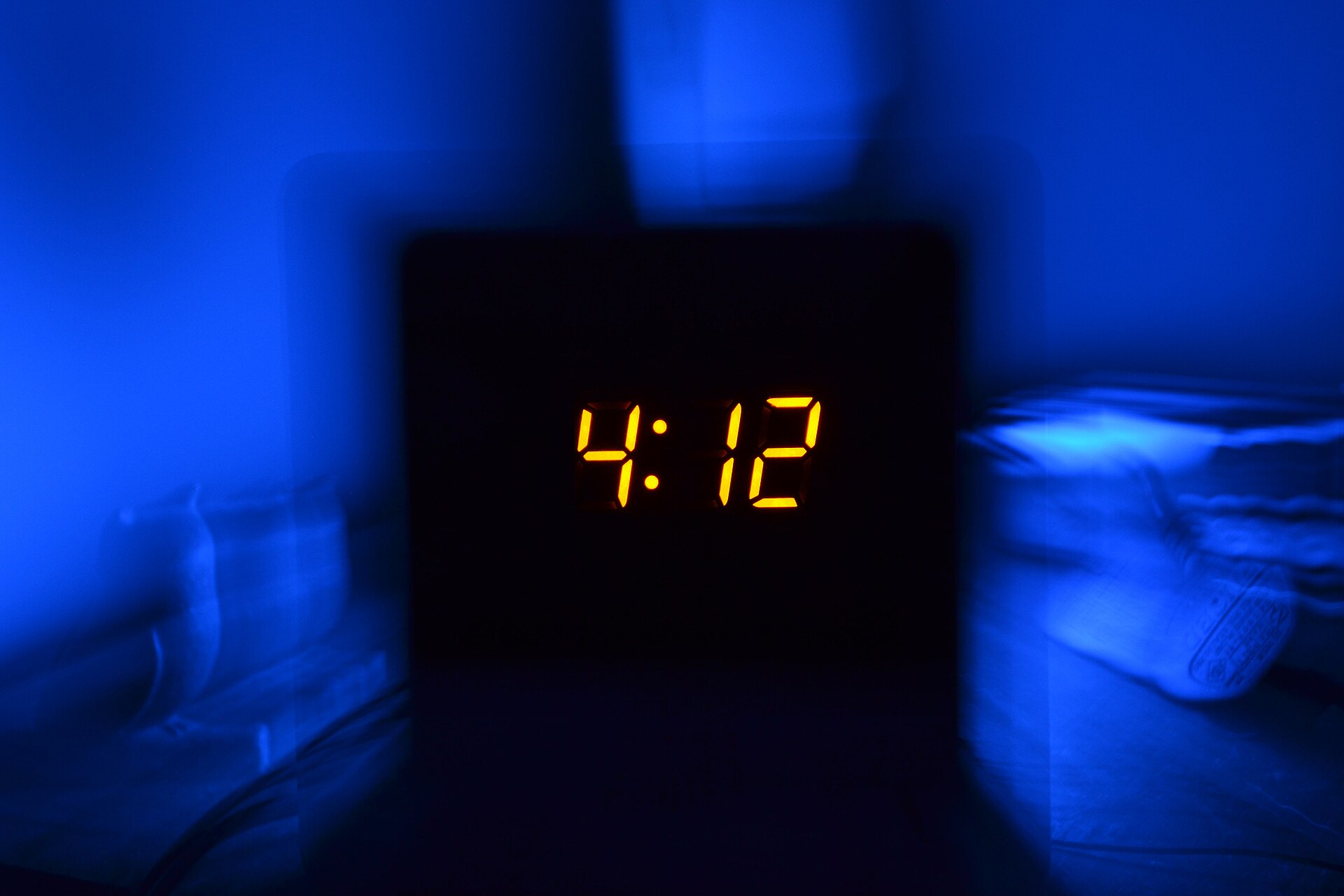

You went to bed early. Your alarm rang eight hours later. Yet getting out of bed felt like lifting a weight, and by mid-morning you were already thinking about going back. How can a night that looked long enough leave you feeling so tired?
The first clue is that time in bed, time asleep and restorative sleep are not interchangeable. You might have taken a while to fall asleep, woken repeatedly or slept at a time that clashes with your usual body clock. Or the problem might not be sleep alone.
There is no reliable diagnosis in how you feel on one morning. There is, however, a useful way to examine the pattern without assuming that more sleep, a supplement or an expensive sleep tracker is the answer.
Three experiences that sound alike but mean different things
You feel groggy just after waking. The brain does not switch instantly from sleep to full alertness. Temporary grogginess, often called sleep inertia, can occur even after an adequate night. Look at whether you become alert as the morning progresses.
You struggle to stay awake during the day. This is more than a sluggish start. Dozing during meetings, while reading or as a passenger suggests excessive daytime sleepiness. It may reflect insufficient or disrupted sleep and deserves attention, especially if it interferes with safety.
You feel drained but not especially sleepy. Fatigue can feel like a lack of physical or mental energy rather than an urge to fall asleep. Stress, medicines, medical conditions and other factors can contribute. The distinction helps a clinician ask better questions; it does not establish a cause by itself.
The US National Heart, Lung, and Blood Institute identifies unintended daytime dozing and waking unrefreshed as possible signs of sleep deficiency. The UK's National Health Service also lists medical and psychological causes of persistent fatigue. Both make clear that symptoms need context.
Why eight hours in bed may not be eight hours of useful sleep
Adults commonly need at least seven hours of sleep, but recommended duration varies by age and individual. The US Centers for Disease Control and Prevention emphasises both quantity and quality. Repeated awakenings, trouble falling asleep and persistent tiredness despite sufficient hours are signs that quality may be poor.
Imagine two ordinary nights. In the first, you sleep fairly continuously and wake at a familiar time. In the second, you spend the same eight hours in bed but lie awake for a long stretch and wake several times. The clock displays the same interval. Your actual sleep experience is different.
Sleep timing matters too. Your internal body clock responds to light, darkness and regular habits. Travel across time zones, shift work and frequently changing schedules can make an adequate-looking sleep window feel poorly timed. This is one reason a single perfect bedtime does not exist for everyone.
The clues worth noticing, without diagnosing yourself
A few observations can help identify what to discuss with a healthcare professional:
- How long does the grogginess last? A difficult first few minutes is different from struggling to stay awake all day.
- Is your schedule consistent? Record bedtime, waking time and any large changes between working days and days off.
- Are nights interrupted? Note awakenings, discomfort, noise and whether someone has observed loud snoring or gasping.
- What else has changed? Stress, medicines, alcohol, caffeine, illness and new responsibilities may be relevant.
- Does it affect everyday life? Difficulty concentrating, working or driving changes the urgency of seeking help.
These are observations, not a home screening test. A consumer wearable may provide clues about routines, but its sleep stages and scores should not be treated as a medical diagnosis.
One week of observations can be more useful than one alarming number
If the problem is recurring, consider keeping a simple sleep diary for several days. Note when you went to bed, roughly when you fell asleep, nighttime awakenings, when you got up, naps, caffeine or alcohol and how you felt during the day. The CDC includes these categories in its guidance on sleep diaries.
The point is not to optimise every minute of sleep. It is to find patterns you may otherwise overlook. Does the tiredness follow short nights? Is it worse after a major schedule change? Does it persist even when your routine is fairly stable?
You do not need to buy a device or calculate a personal sleep score to ask those questions. If you seek care, a diary can also give a clinician a clearer starting point.
When ordinary advice is not enough
Regular sleep and wake times, a quiet and comfortable room, less caffeine late in the day and regular physical activity are reasonable habits supported by public health guidance. They cannot, however, rule out a sleep disorder or another health condition.
Seek medical advice if tiredness has lasted for weeks without an obvious explanation, affects daily life, or comes with other symptoms. Loud snoring, witnessed pauses in breathing, gasping or choking during sleep, and marked daytime sleepiness are particularly important to mention. Sleep apnoea is one possible explanation, not something to diagnose from a checklist.
If you are struggling to stay awake while driving or performing a dangerous task, stop safely and do not assume that coffee or willpower makes the situation safe. Persistent exhaustion can also be associated with conditions that are not primarily about sleep, such as anaemia or thyroid disorders. A healthcare professional can assess whether testing is appropriate.
What to do tomorrow morning
Do not judge your sleep solely by the number of hours between bedtime and your alarm. Notice how you feel after you have been awake for a while, how often it happens, whether you become sleepy later and whether the problem affects what you do.
One groggy morning is not a diagnosis. A repeating pattern is information worth taking seriously. The useful question is not simply “Did I get eight hours?” It is “Am I getting enough good-quality sleep at a suitable time, and is something else making me tired?”
How we checked
This report draws on publicly available guidance from the US Centers for Disease Control and Prevention, the US National Heart, Lung, and Blood Institute, and the UK's National Health Service, consulted on 17 October 2026. It explains common patterns but cannot identify the cause of any individual's symptoms. The examples are illustrative and are not patient interviews.